
Plastic Surgery · Jaipur Hospital
Nipple and Areola Surgery in Jaipur
Missing nipple after cancer surgery; we assess, explain options and plan care.
- Serving Jaipur since 1991 (35 years)
- NABH accredited
- 24×7 emergency & ICU
- Cashless: RGHS, MAA Yojana, CGHS + 32 insurers
- Operation time
- 1 to 2 hours
- Anaesthesia
- Local or General anaesthesia
- Recovery
- Back to light activity in 1 to 2 weeks
- Price
- ₹50,000 to ₹1,50,000typical range in India; ask us for an estimate
The missing piece
You have finished breast surgery but the nipple and areola are still absent.
After mastectomy or trauma the breast mound may be rebuilt, yet the nipple and areola are gone. This can affect how you feel in clothes, during intimacy and when you look in the mirror.
-
No nipple projection
The breast looks flat at the centre, which can feel incomplete.
-
Colour mismatch
The surrounding skin lacks the darker areola tone.
-
Emotional impact
You may avoid certain clothes or situations because of the appearance.
-
Uncertain timing
It is unclear when reconstruction can be done after chemotherapy or radiation.
Surgeons remove the nipple and areola when cancer is close to or has invaded that area.
Why Jaipur Hospital
You wonder if another operation is worth the time off work and the extra cost after everything you have already been through.
Your care plan
Your first steps with us
- 1 Call or visit OPD for a plastic surgery consultation
- 2 Review scans and reports; arrange in-house tests if needed
- 3 Discuss surgical and tattoo options with your surgeon
- 4 Schedule the procedure and attend follow-up visits after discharge
How the operation is done
Nipple reconstruction is usually a daycare or one-night stay procedure under local or general anaesthesia, taking one to two hours. The surgeon reshapes local tissue or uses a graft for the areola; medical tattooing adds colour later.
-
Local Flap Reconstruction
Surrounding skin is folded to create a projecting nipple shape.
-
Skin Graft for Areola
A thin graft from the groin or inner thigh provides darker areola colour.
-
3D Medical Tattooing
Pigment is implanted to recreate the areola without surgery.
-
Nipple Sharing Graft
Part of the opposite nipple is grafted if it is large enough.
Why patients trust us
- 1991 Serving Jaipur for 35 years
- NABH Accredited hospital
- 1 Plastic Surgery consultants
- 24×7 Emergency, ICU and ambulance
- 35 Cashless schemes and insurers
What research shows about this treatment
-
4 to 6 weeks for surgical healing
Studies report that the body takes about four to six weeks to heal after nipple reconstruction surgery.
-
7 to 10 days for tattoo healing
Skin typically heals after medical tattooing within seven to ten days.
-
Risk of nipple flattening over time
A reconstructed nipple can sometimes lose projection and become flatter months later.
If it is left untreated
Without reconstruction the nipple and areola remain absent, which may continue to affect body image and confidence. There is no medical harm in delaying or declining the procedure.
Life after treatment
Most people see a recreated nipple and areola that matches the other side in shape and colour.
-
Restored appearance
The breast centre looks more natural in clothing and when unclothed.
-
Improved comfort
Many patients report feeling more at ease in intimate situations.
-
Simple aftercare
Usual recovery involves light activity for one to two weeks and soft bras.
Meet the team
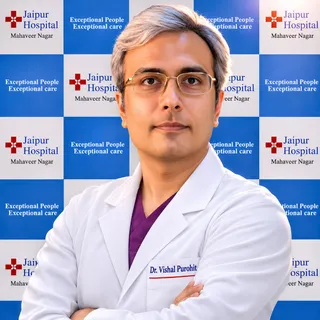
Your plastic surgery doctors
Explore our plastic surgery hospital in Jaipur: every treatment, the doctors and what to expect at your visit.
Frequently asked questions
Questions patients ask about nipple and areola surgery
What does nipple and areola reconstruction involve?
In short
Nipple and areola reconstruction at Jaipur Hospital rebuilds the nipple projection and areola colour after mastectomy or trauma. The operation takes one to two hours under local or general anaesthesia. You usually go home the same day or stay one night. Light activity resumes in one to two weeks. The typical cost range in India is ₹50,000 to ₹1,50,000.
In detail
Your surgeon may use a local flap from surrounding breast skin to create nipple projection. For the areola, a skin graft from the groin or inner thigh can provide a colour match. Alternatively, 3D medical tattooing implants pigment without surgery.
Nipple sharing grafts from the other nipple are an option if suitable. The choice depends on your tissue quality, previous treatment, and personal goals discussed during consultation.
A common belief
Many people think reconstruction is a single major operation.
What actually happens
In fact, it is usually a short refinement done months after the main breast reconstruction. Tattooing alone is non-surgical and heals in about a week, while surgical reconstruction needs four to six weeks for full healing.
Your next step at Jaipur Hospital
After breast reconstruction heals, usually three to four months later, you attend an OPD consultation. The surgeon examines the breast, explains technique options, and sets a surgery date.
You stop smoking if you smoke, arrange an attendant for discharge, and follow fasting rules if general anaesthesia is planned.
Which tests and scans do I need before nipple and areola reconstruction?
In short
Before nipple and areola reconstruction at Jaipur Hospital, routine pre-operative tests are usually required. These include a complete blood count, blood sugar, coagulation profile, and viral markers. A chest X-ray and ECG are done if general anaesthesia is planned. Your surgeon may ask for recent breast imaging or prior surgery records to assess tissue quality.
In detail
The tests check your fitness for anaesthesia and surgery. Blood work identifies anaemia, infection risk, or clotting issues. Viral markers screen for hepatitis and HIV as per hospital protocol. If you have diabetes or hypertension, those values must be controlled.
No special scan of the breast is mandatory unless the surgeon wants to evaluate the reconstructed mound or plan a flap. Radiation history is noted from your oncology records.
A common belief
Patients often expect complex scans like MRI or CT.
What actually happens
For this surgery, only basic fitness tests are routine. The surgeon relies mainly on clinical examination of the breast tissue and your treatment history to choose the reconstruction method.
Your next step at Jaipur Hospital
Tests are done at the in-house laboratory a few days before surgery. Bring all previous reports to your pre-anaesthesia check-up. If results are normal, the surgery date is confirmed. Fasting instructions follow based on anaesthesia type.
How painful is nipple and areola reconstruction and the early recovery?
In short
At Jaipur Hospital, nipple and areola reconstruction is performed under local or general anaesthesia, so you do not feel pain during the operation. After surgery, you may feel sore for a few days. Medical tattooing can feel like pin pricks or scratching with vibration, and the skin may feel sore afterwards.
In detail
During the procedure, anaesthesia prevents pain. After surgical reconstruction, soreness is common and usually managed with prescribed medicines. Evidence notes you may feel sore after surgery and that medical tattooing may be uncomfortable, feeling like skin being poked or scratched with vibrations.
The new nipple will be numb. Over time, a reconstructed nipple can sometimes flatten. Most patients return to light activity in 1 to 2 weeks. Avoid rigorous activity for several weeks. Light exercise is usually fine after checking with your healthcare provider.
A common belief
Some people believe the procedure is very painful.
What actually happens
In practice, anaesthesia blocks pain during surgery, and post-operative soreness is usually well controlled with standard medicines.
Your next step at Jaipur Hospital
Take prescribed pain relief as directed. Wear soft, supportive bras without underwire and loosen straps to avoid pressure on the nipple for 2 weeks. You can shower after 48 hours, gently washing with soap and water. Do not submerge the area.
Contact your surgeon if pain is not controlled by medicine, or if you notice excessive swelling, bleeding, or signs of infection.
How long does recovery usually take after nipple and areola reconstruction?
In short
At Jaipur Hospital, recovery after surgical nipple and areola reconstruction typically takes 4 to 6 weeks for full healing. You can return to light activity in 1 to 2 weeks. For 3D medical tattooing, the skin heals in about 7 to 10 days. The operation itself takes 1 to 2 hours under local or general anaesthesia.
In detail
Evidence shows after nipple reconstruction surgery, it can take between 4 to 6 weeks for your body to heal. Your skin will heal after a nipple tattoo in about 7 to 10 days. During healing, you should avoid rigorous activity for several weeks.
Light exercise is usually fine after checking with your healthcare provider. You can shower 48 hours after the procedure. Do not submerge the area until scabbing has fully healed. A final follow-up visit happens about 6 weeks after medical tattooing. Drains, if used, are checked at the first post-op visit around one week and removed when ready.
A common belief
People often think recovery is quick because the surgery is short.
What actually happens
The operation is 1 to 2 hours, but tissues need weeks to settle. Tattooing is faster but still needs wound care.
Your next step at Jaipur Hospital
Follow your surgeon's instructions on bandages, creams, and activity limits. Wear soft, supportive bras without underwire and loosen straps for 2 weeks. Avoid pressure or friction on the nipple. Check with your healthcare provider before starting heavy exercises.
What functional or appearance goals are realistic for nipple and areola reconstruction in my situation?
In short
At Jaipur Hospital, realistic goals include creating a nipple projection and areola colour that resemble a natural nipple, though the reconstructed nipple will not have the same sensation as before. The new nipple may appear larger at first due to swelling and typically flattens somewhat over time. Medical tattooing can add colour and the look of texture without surgery. Your surgeon will explain what can be achieved based on your tissue quality and previous treatment.
In detail
Evidence shows that nipple reconstruction rebuilds the shape and colour of the nipple and areola using local flaps, skin grafts, or medical tattooing. The results are long-lasting, but the feeling in the nipple will not return to what it was before surgery.
A reconstructed nipple can lose some projection over months or years. Tattooing provides a three-dimensional appearance without further surgery. The choice depends on your anatomy, whether you have had radiation, and your personal preference. Not everyone chooses reconstruction; some prefer to remain flat or use a prosthetic nipple.
A common belief
Many people assume the new nipple will feel and behave exactly like the original.
What actually happens
Sensation does not return, and some projection loss is common. Tattooing alone cannot create physical projection.
Your next step at Jaipur Hospital
Discuss your priorities with your surgeon at the consultation. They will assess your breast skin, any radiation effects, and the opposite nipple if present. Together you can decide between surgical reconstruction, 3D medical tattooing, or a combination. The surgeon will explain typical outcomes so you know what to expect.
How will appearance, function, and realistic expectations be discussed for nipple and areola reconstruction?
In short
At Jaipur Hospital, the consultation includes a detailed discussion of what the reconstructed nipple will look like, that it will not have normal sensation, and how it may change over time. The surgeon will show you typical results, explain the difference between surgical reconstruction and 3D tattooing, and ask about your priorities. You will have time to ask questions before deciding.
In detail
Evidence shows that patients meet with a plastic surgeon who evaluates their anatomy, reviews their cancer treatment, and discusses the expected look and long-term changes. The surgeon explains that the new nipple will be numb, may flatten, and that tattoo pigment can fade.
They also cover the option of not having reconstruction. The conversation is two-way: you share your goals, and the surgeon explains what is achievable. This shared decision-making helps align the outcome with your expectations.
A common belief
Some patients assume the result will be identical to a natural nipple in look and feel.
What actually happens
The surgeon will clarify that sensation does not return and that some projection loss is normal, so expectations match reality.
Your next step at Jaipur Hospital
Bring any reference photos to the appointment. The surgeon will examine you, outline the options, and describe the likely appearance at each stage. You will receive written or verbal information to review at home. No decision is rushed.
Why might my doctor recommend nipple areola reconstruction?
In short
Your doctor may recommend nipple areola reconstruction at Jaipur Hospital to restore the appearance of the breast after mastectomy or trauma. Many people choose this step to feel more comfortable in their skin and to build self-confidence. It is usually one of the final stages of breast reconstruction.
In detail
The procedure replaces a nipple that was removed with one that looks like a natural nipple. Evidence shows that reconstruction can help you feel comfortable being nude and improve body image.
Your surgeon will discuss the options during a consultation, including surgical reconstruction, medical tattooing, or both. The decision is personal. Not everyone chooses reconstruction, and there is no medical need to have it. Your doctor will explain the advantages and limitations so you can decide what matches your goals.
A common belief
Some assume reconstruction is medically necessary.
What actually happens
It is not. It is a personal choice. Others think it must be done immediately. In reality, you can wait months or years, and some people choose tattooing alone instead of surgery.
Your next step at Jaipur Hospital
If you are having chemotherapy or radiation, the surgery usually waits until treatment is complete. Radiation may require a wait of six months to a year. If you choose to go flat, the wait may be shorter. Your surgeon will set the timing based on your treatment plan.
How should I prepare in the days before nipple and areola reconstruction?
In short
In the days before nipple and areola reconstruction at Jaipur Hospital, stop smoking if you smoke, as it impairs wound healing. Inform your surgeon about all medicines, supplements, and herbal products you take. Arrange an attendant to stay with you if an overnight stay is planned. Follow any specific medication adjustments advised during your pre-anaesthesia check-up.
In detail
Smoking reduces blood flow to skin flaps and grafts, increasing the risk of tissue loss. Your surgeon may ask you to stop blood thinners or certain supplements a few days before surgery.
Keep the breast area clean and avoid applying creams or lotions on the day of surgery. Wear loose, front-opening clothing for easy dressing after the procedure. Prepare a soft, non-underwire bra for post-operative support if advised.
A common belief
Many patients think they need special diets or bowel preparation.
What actually happens
None is required. The key preparation is stopping smoking and adjusting blood thinners. Skin preparation is simple: keep the area clean and avoid creams on surgery day.
Your next step at Jaipur Hospital
Complete all pre-operative tests at least two to three days before surgery. Attend the pre-anaesthesia consultation to confirm fitness. If general anaesthesia is planned, follow fasting rules from midnight before surgery. For local anaesthesia, a light breakfast is usually allowed. Confirm your admission time and bring your insurance or scheme cards.
What are the common side effects and the less common serious complications of nipple and areola reconstruction?
In short
At Jaipur Hospital, common side effects after nipple and areola reconstruction include soreness, swelling, bruising, and numbness of the new nipple. The reconstructed nipple may appear larger at first and reduce as swelling settles. Less common serious complications include infection, tissue loss from poor blood supply, and flattening of the nipple over time.
In detail
Evidence shows the new nipple will be numb. You may notice your nipples are larger or more pronounced immediately after surgery, which is normal and reduces as swelling goes down. Over time, a reconstructed nipple can sometimes flatten.
If there is not enough blood supply, there is a risk of tissue loss or necrosis. Signs of infection include yellow or white pus, excessive bleeding, swelling, redness, warmth, or fever of 38.3°C or higher.
Shortness of breath, drainage from incisions, or new swelling in the breast or arm also need urgent review. Technical failure rates in studies have been reported at 7.4% and 10%.
A common belief
Patients often worry about major complications.
What actually happens
Most side effects are temporary and manageable. Serious issues like necrosis or infection are uncommon and usually caught early with proper follow-up.
Your next step at Jaipur Hospital
Contact your surgeon if you have severe pain not helped by medicine, excessive bleeding, swelling, pus, fever, shortness of breath, or drainage from incisions. For tattooing, itching is normal but do not scratch. Let flaking skin fall off naturally. Keep bandages on as advised.
Which symptoms are expected after nipple and areola reconstruction, and which need urgent medical attention?
In short
At Jaipur Hospital, expected symptoms after nipple and areola reconstruction include soreness, swelling, bruising, numbness of the new nipple, and itching after tattooing. The nipple may look larger at first and shrink as swelling settles. Urgent signs are severe pain not helped by medicine, excessive bleeding, pus, fever of 38.3°C or higher, shortness of breath, or new swelling in the breast or arm.
In detail
Evidence notes you may feel sore after surgery. Medical tattooing may be uncomfortable, feeling like pin pricks or scratching with vibration. Your new tattoo may be itchy but do not scratch. The new nipple will be numb.
You may notice your nipples are larger or more pronounced immediately after surgery; this is normal and reduces as swelling goes down. Contact your healthcare provider if you experience severe pain, excessive bleeding and swelling, or if the site leaks yellow or white pus.
Call if you have a fever of 38.3°C or higher, shortness of breath, drainage from incisions, or new swelling in the breast or arm on the side of surgery. Incisions that bleed, look red, feel warm, or have thick yellow, green, or pus-like drainage warrant contacting the surgeon.
A common belief
Patients sometimes ignore fever or new swelling, thinking it is part of healing.
What actually happens
These can signal infection or other problems needing quick treatment. Do not wait.
Your next step at Jaipur Hospital
Take prescribed medicines as directed. Keep bandages on as advised. Shower after 48 hours, gently washing with soap and water. Do not submerge the area. Wear soft, supportive bras without underwire. Contact your surgeon immediately for any urgent symptoms.
FAQ library
Questions and answers about nipple and areola surgery
When you contact us
Get your reconstruction plan
Contact Jaipur Hospital for a plastic surgery consultation, a cost estimate and help with cashless schemes.
- A consultation with a plastic surgeon in the OPD
- Your scans and reports reviewed, with tests done in-house if you need them (laboratory, X-ray and imaging)
- Your options explained in plain words, including whether you need surgery at all
- A cost estimate before you decide
- Help with cashless treatment under RGHS, MAA Yojana, CGHS and empanelled insurers and TPAs
- Follow-up visits after your treatment
Overview
Nipple and Areola Surgery: what to know
What nipple and areola surgery is and how it happens
- Nipple
- Raised centre of the breast
- Areola
- Darker skin around the nipple
- Timing
- Final step after mastectomy and reconstruction
- Non-surgical option
- 3D medical tattooing for colour only
Nipple and areola surgery rebuilds the nipple, the raised centre of the breast, and the areola, the darker skin around it, after they have been removed or damaged. This surgery is often one of the final steps after a mastectomy, which removes the breast to treat breast cancer, and after breast reconstruction has reshaped the breast mound.
The procedure uses tissue from the reconstructed breast or skin grafts from another part of the body, such as the groin or inner thigh, to create projection and colour match. A non-surgical option is 3D medical tattooing, which uses pigment to recreate the look of an areola and nipple without further surgery.
Some people choose not to have any reconstruction after mastectomy, and there is no medical need to rush the decision; you can wait months or years before deciding.
Symptoms and warning signs that need urgent care the same day
- Fever 38.3°C or higher Contact surgeon or visit emergency
- Shortness of breath or persistent cough Seek care without delay
- Drainage from incisions Report straight away
- Severe pain not helped by medicine Needs urgent review
- Excessive bleeding or swelling Contact hospital immediately
After nipple reconstruction surgery or medical tattooing, certain signs mean you should contact your surgeon or visit the emergency department at Jaipur Hospital on the same day. These include a fever of 38.3°C or higher, shortness of breath or a cough that will not go away, and drainage coming from the incisions.
Severe pain that prescribed medicine does not help, excessive bleeding and swelling, or if the surgical site or tattoo leaks yellow or white pus, also need urgent review. New swelling in the breast or in the arm on the side of surgery, and any change in the colour or warmth of the reconstructed breast, should be reported straight away.
Trouble breathing, trouble eating or drinking, or incisions that bleed, look red, feel warm, or have thick yellow, green, or pus-like drainage are reasons to seek care without delay.
Causes and who is at higher risk
- Breast cancer surgery
- Most common reason for nipple loss
- Trauma or burns
- Can also lead to loss
- Radiation history
- May affect tissue quality and blood supply
- Obesity and diabetes
- May increase complication chance
The most common reason for nipple and areola loss is breast cancer surgery. Surgeons remove the nipple and areola when cancer is close to or has invaded that area, or as part of a mastectomy for treatment or risk reduction. Trauma or burns can also lead to loss of the nipple and areola.
Reconstruction is offered to most people who have breast reconstruction, but the decision is personal and not everyone chooses it. Factors that may affect the timing or safety of reconstruction include the need for chemotherapy or radiation therapy; if these are needed, the second stage usually waits until treatment is complete.
A history of radiation to the chest can affect tissue quality and blood supply, which may increase the chance of complications such as graft loss or poor healing. Obesity and diabetes may also increase the chance of complications after breast reconstruction. Your surgeon will discuss whether the procedure is right for you based on your overall health and treatment history.
How it is diagnosed: examination and tests
There is no diagnostic test for the absence of a nipple and areola; the condition is visible on examination. The process begins with a consultation with a plastic surgeon after your breast reconstruction has healed.
During this visit, your surgeon will examine the reconstructed breast, assess the skin quality and blood supply, and discuss your goals for size, shape, and colour match. If you are considering 3D medical tattooing, the surgeon or tattoo artist will take measurements and may sketch the planned appearance on your skin for you to approve before starting.
No imaging or laboratory tests are routinely needed for nipple and areola reconstruction itself, but your surgeon may order tests if they need to check your fitness for anaesthesia or surgery.
Treatment options without surgery, and when surgery is advised
The main non-surgical option is 3D medical tattooing. A trained professional uses a handheld device to implant pigment into the skin, creating the look of a nipple and areola with shading and colour. This can be done in an outpatient setting, heals in about seven to ten days, and avoids further incisions.
Some people choose to visit a tattoo artist who specialises in nipple tattooing. Surgery is advised when you want physical projection of the nipple that tattooing alone cannot give. Surgical techniques include local flap reconstruction, which uses surrounding skin to build a raised nipple, and skin grafts from the groin or inner thigh to recreate the areola.
In selected cases, a nipple sharing graft takes part of the opposite nipple if it is large enough. Surgery takes about one to two hours under local or general anaesthesia, and you usually go home the same day or after one night. Your surgeon will help you decide which option suits you based on your anatomy, previous treatment, and personal preference.
Preparing for nipple and areola surgery
Do
- Discuss medicines and allergies in OPD
- Control diabetes and high blood pressure
- Wear loose front-opening clothing
Your surgeon will meet you in the OPD to discuss the procedure and review your medical history. You will be asked about any medicines you take, especially blood thinners, and any allergies to anaesthesia or dressings. If you have diabetes or high blood pressure, your doctor will want these to be well controlled before the operation.
You may need routine blood tests and a chest X-ray to check your fitness for anaesthesia. If you are having general anaesthesia, you will be asked to stop eating and drinking at midnight the night before surgery. You may sip water or clear fluids up to two hours before your arrival time.
Wear loose, comfortable clothing that opens at the front and bring a soft, non-wired bra or a nipple protector if you have one. Arrange for an attendant to take you home afterwards, as you will not be able to drive after general anaesthesia.
If the procedure is done under local anaesthesia in the doctor's office, you may eat a normal breakfast and can go home on your own.
How nipple and areola surgery is done
- Marking You stand while surgeon marks new nipple position
- Anaesthesia Local or general anaesthesia given
- Technique chosen Local flap, skin graft, nipple sharing or tattooing
- Closure Incisions stitched and dressed, or tattoo wrapped
Nipple and areola reconstruction is usually one of the final steps after mastectomy and breast reconstruction. The operation takes about one to two hours and can be done under local or general anaesthesia. You will usually be standing while your surgeon marks the planned position of the new nipple.
The technique depends on your anatomy and what you and your surgeon agree is suitable. A local flap uses skin from the reconstructed breast to create a projecting nipple. A skin graft taken from the groin or inner thigh can be used to recreate the darker areola colour.
Nipple sharing, where a portion of the opposite nipple is grafted, is an option if the other nipple is large enough. Medical tattooing implants pigment into the skin to create the appearance of an areola, sometimes with a three-dimensional effect, and can be done without surgery. Your surgeon will advise which method or combination fits your situation.
After the procedure, incisions are closed with stitches and covered with dressings. For tattooing, the area is covered with a protective wrap.
Risks and possible complications of nipple and areola surgery
- Numbness
- New nipple will be numb
- Loss of projection
- Nipple may flatten over time
- Necrosis
- Tissue may die if blood supply is not enough
- Infection signs
- Redness, warmth, swelling, thick drainage, pus, fever 38.3°C or higher
- Tattoo healing
- Soreness, itching, peeling are normal; do not pick
All operations carry some risk. With nipple reconstruction, the new nipple will be numb because nerves are not reconnected. There is a risk that the reconstructed nipple loses projection and flattens over time. If the blood supply to the flap or graft is not enough, part or all of the tissue may die, a problem called necrosis.
Infection can occur; signs include increasing redness, warmth, swelling, thick yellow or green drainage, or pus from the wound. A fever of 38.3 degrees Celsius or higher, severe pain that medication does not relieve, excessive bleeding, or shortness of breath are reasons to contact the hospital straight away.
After tattooing, the skin may feel sore, itchy, or like it has been scratched for a few days. It is normal for the skin to peel; do not pick at it. If you notice yellow or white fluid leaking from the tattoo site, or if the area becomes increasingly painful, swollen or red, tell your doctor.
Recovery and aftercare after nipple and areola surgery
After the procedure you will spend a short time in the recovery area until the anaesthetic wears off. Most people go home the same day, though some stay one night. You can shower after 48 hours. Wash the area gently with soap and water; do not use a washcloth, loofah or scrubbing brush.
Do not soak the nipple in a bath until all scabbing has healed. Avoid tight clothing or bras that rub on the area. Choose a soft, supportive bra without underwire and loosen the straps so there is no pressure on the new nipple. Do not apply any pressure or friction for two weeks.
Light activity is fine after one to two weeks, but check with your doctor before starting heavy exercise such as running or lifting weights. Full healing after surgical reconstruction takes about four to six weeks. After tattooing the skin usually heals in seven to ten days. A follow-up visit is usually scheduled around six weeks after tattooing.
Contact the hospital if you develop a fever, shortness of breath, drainage from the incisions, new swelling in the breast or arm, pain not helped by prescribed medicine, or any change in the colour or warmth of the breast.
Results of nipple and areola surgery
- Aim
- Restore look of natural nipple and areola
- Sensation
- Reconstructed nipple has no natural sensation
- Projection changes
- May appear larger at first, can flatten over time
- Tattoo fading
- Pigment can fade over years, may need touch-ups
The aim of nipple and areola reconstruction is to restore the look of a natural nipple and areola. In studies, many people report that the procedure helps them feel more comfortable and confident in their appearance after mastectomy. The reconstructed nipple does not have the same sensation as a natural nipple.
A nipple created with a local flap may appear larger at first because of swelling; it typically reduces in size as the swelling settles. Over time, a surgically reconstructed nipple can lose some projection and become flatter. Tattoo pigment can fade over the years and may need touch-up sessions.
The evidence on long-term quality of life effects is limited and of low quality; more high-quality studies are needed. Your surgeon will discuss what you can realistically expect based on the technique chosen and your individual healing.
Cost and insurance for nipple and areola surgery in Jaipur
The typical price range for nipple and areola reconstruction in India is ₹50,000 to ₹1,50,000. The final cost depends on the technique used, whether local or general anaesthesia is given, the length of hospital stay, and any additional procedures such as tattooing or symmetry surgery on the other breast. Jaipur Hospital is a NABH-accredited multispeciality hospital.
We accept patients under RGHS, MAA Yojana, CGHS, and a panel of private insurers and TPAs. If you are covered under one of these schemes, bring your card and any pre-authorisation documents. Our admissions team can help you check what your plan covers and what out-of-pocket expenses to expect. For patients paying directly, we can provide an estimate after your surgeon has decided the surgical plan.