
Understanding & candidacy · Gallbladder Stone Surgery
Silent gallstones: do I need surgery if I have no pain?
An ultrasound often finds gallstones by chance when you have no pain. In most cases you can safely watch and wait, but certain conditions make early surgery the safer choice.

- about 70% to 80% People with gallstones who have no symptoms
- about 1% to 2% per year Yearly risk of developing symptoms or complications
- about 17% Cumulative risk at 5 years of follow-up
- ₹45,000 to ₹1,10,000 Typical surgery cost range in India
What are silent gallstones?
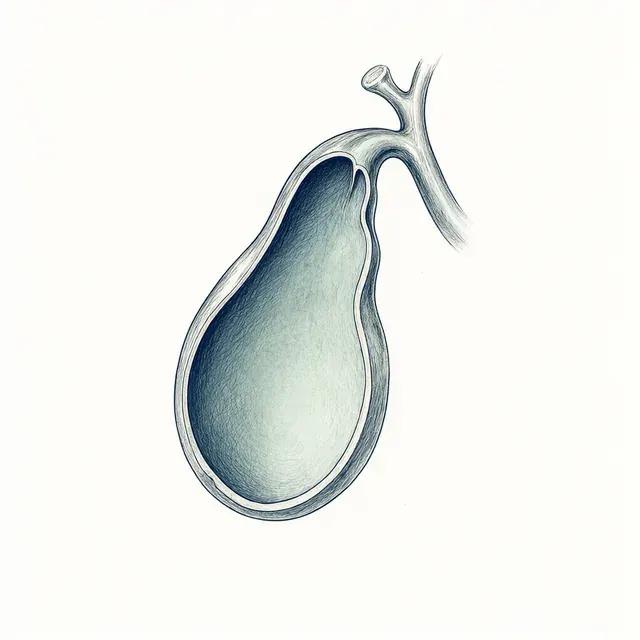 Normal gallbladderEmpty gallbladder with clear bile flow
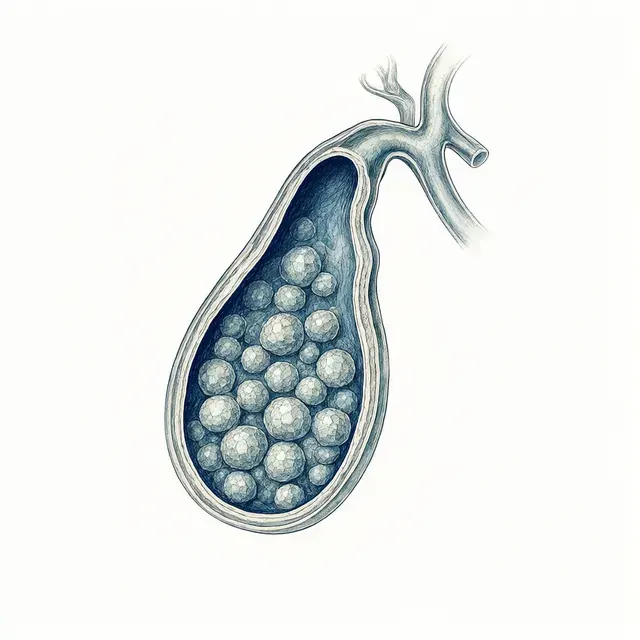 Silent gallstonesStones present but no symptoms at all
Silent gallstones are stones in the gallbladder that cause no symptoms at all. They do not stop the gallbladder, liver, or pancreas from working normally. Most people who have them do not know they are there until an ultrasound or other scan picks them up by chance while checking for something else.
In India, silent gallstones are very common; studies show that in about 70% of cases, gallstones cause no symptoms. The medical term for this is asymptomatic gallstone disease.
Can I leave silent gallstones alone?
Yes, in most cases you can safely leave them alone. Medical treatment is not necessary unless the stones start to cause symptoms. Only a small minority of silent stones ever lead to symptoms or complications such as pain, infection, or pancreatitis.
Long-term studies show that the annual risk of developing any problem is low, around 1% to 2% per year, and the risk tends to fall the longer the stones stay silent. Because surgery carries its own risks, including bile duct injury and other complications, doctors usually advise a watch-and-wait approach. If you choose to wait, you simply keep an eye out for any new symptoms.
When do doctors advise surgery for silent stones?
- Porcelain gallbladder
- Calcified wall raises cancer risk
- Blood disorders
- Sickle cell or chronic haemolytic syndromes
- Diabetes with high risk
- Risk of complications or emergency surgery
- Large or many stones
- Greater than 1 cm or multiple small stones
Doctors may recommend removing the gallbladder even without symptoms in a few specific situations. These include a porcelain gallbladder, where the gallbladder wall becomes calcified, and certain blood disorders such as sickle cell disease or other chronic haemolytic syndromes.
Surgery is also conventionally favoured for people with diabetes when there is a significant risk of complications or the need for emergency surgery later.
Large stones (greater than 1 cm), multiple small stones, or sludge filling more than half the gallbladder volume are also considered risk factors for future attacks or pancreatitis.:
- Large stones (greater than 1 cm)
- Multiple small stones
- Sludge filling more than half the gallbladder volume
If you are having abdominal surgery for another reason and are at high risk of gallstone complications, the surgeon may remove the gallbladder at the same time. Your doctor will weigh these factors against the risks of an operation.
What is a porcelain gallbladder and why does it matter?
- What it is
- Gallbladder wall becomes heavily calcified
- Why it matters
- Linked to higher gallbladder cancer risk
- Usual advice
- Preventive removal generally advised
A porcelain gallbladder is a condition where the wall of the gallbladder becomes heavily calcified, making it look like porcelain on imaging. This change is linked to a higher risk of gallbladder cancer, which, while rare in many parts of the world, has one of its highest incidences in northern India.
Because of this cancer risk, prophylactic cholecystectomy (preventive removal) is generally advised when a porcelain gallbladder is found, even if you have no symptoms. Routine preventive removal to avoid cancer is not recommended for ordinary silent stones, but the calcified wall changes the risk calculation. Your doctor will confirm the finding on imaging and discuss the timing of surgery with you.
Should I remove my gallbladder before getting pregnant?
The decision depends on your overall health, the size and number of stones, and whether you have had any past symptoms. Your doctor will weigh the small risk of a future attack against the risks of surgery and anaesthesia.
If you are already pregnant and stones are found, the usual approach is to watch and wait unless symptoms or complications develop.
If you are planning a pregnancy and know you have silent gallstones, tell your doctor early so there is time to discuss the options. You can also ask whether a pre-pregnancy check-up should include an ultrasound to look for stones you did not know about.
How often should I get scanned if I choose to wait?
If you develop any new abdominal pain, nausea after meals, fever, or yellowing of the skin or eyes, do not wait for the next planned scan — contact your doctor or go to the emergency department straight away.
Keep a simple record of your scan dates and stone measurements so each doctor you see has the same information. Ask your doctor to write the suggested next scan date in your notes or on your prescription.
What to ask your doctor
Do
- Stone features needing surgery
- Diabetes or other conditions
- Porcelain gallbladder signs
- Surgery before pregnancy
- Ultrasound schedule and symptoms
- Emergency symptoms
Take these questions to your appointment so you leave with a clear plan:
- Do my stones have any features (size, number, wall changes) that make you advise surgery now?
- Does my diabetes or any other condition change the usual advice to watch and wait?
- What is a porcelain gallbladder, and do my scans show any sign of it?
- If I plan to become pregnant, should I have surgery first?
- How often do you want me to have an ultrasound, and what should I do if I get symptoms before then?
- What symptoms mean I should go to the emergency department instead of waiting for an OPD visit?
- What are the risks of laparoscopic gallbladder removal for me, and how long would recovery take?
- What is the typical cost range for the operation in India, and what might change that cost?
Write down the answers and any follow-up dates before you leave the clinic. If anything is unclear, ask the doctor to explain again in plain language.